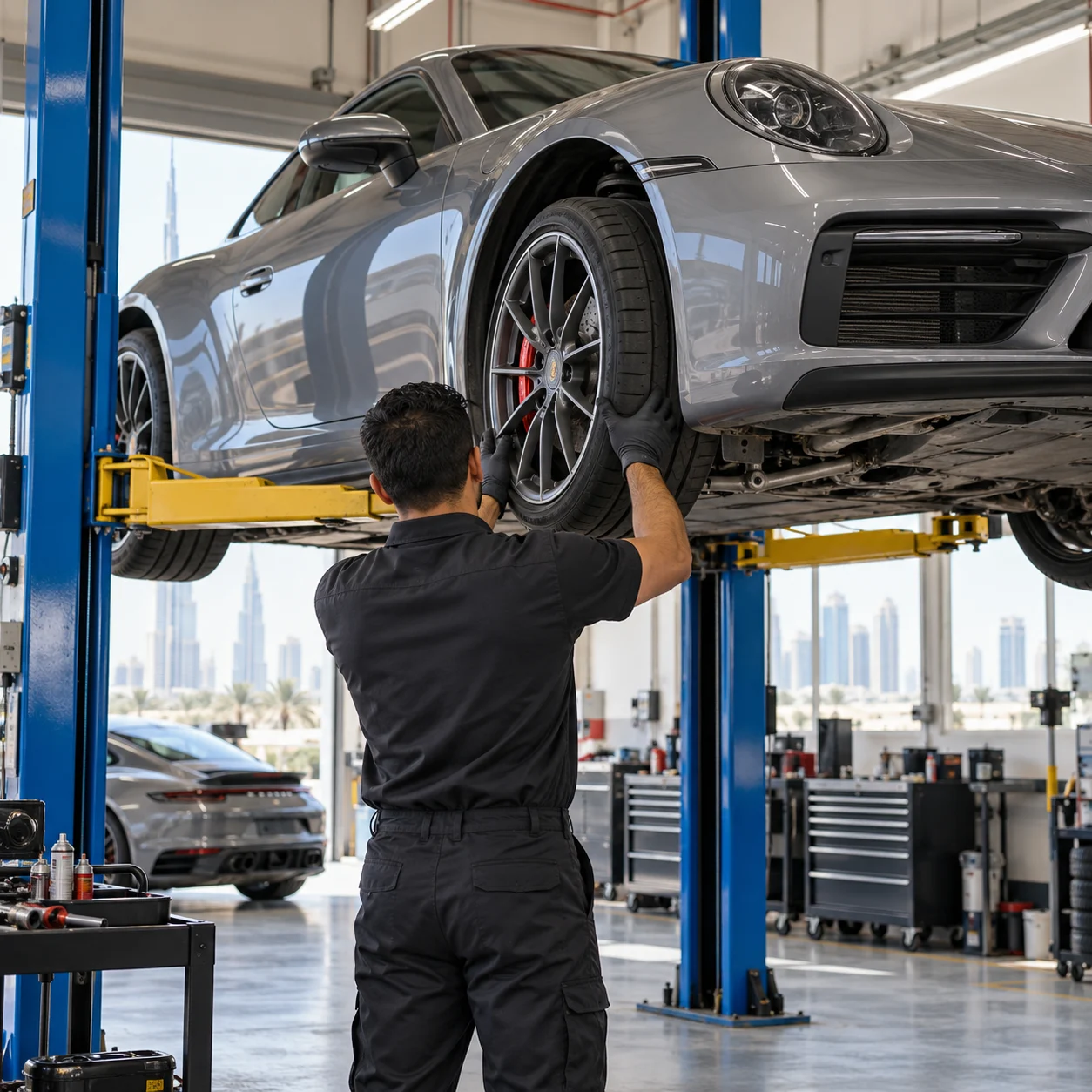
Porsche Steering Repair in Dubai
Heavy steering, knocking, fluid leaks or a dashboard warning? We assess the steering system and explain the repair choices before parts are ordered. Rack, hydraulic pump, tie rod and electric power steering faults need different checks.
Diagnosis estimated at AED 250 to 650. Rack work estimated at AED 3,000 to 15,000 or more depending on repair or replacement. See prices and inclusions.
Porsche steering repair cost estimates
Use these rounded Dubai market estimates to plan the work, not as a fixed workshop offer. Repair ranges allow for the stated parts and labor and 5 percent VAT. The written quote confirms the exact component, condition, included checks and total before you approve.
Steering diagnosis
Initial mechanical inspection and relevant scan or hydraulic checks. Parts, dismantling and extended fault tracing are separate.
One tie rod or steering joint
A compatible new joint, standard fitting and alignment allowance. Multiple worn joints or seized adjusters change the total.
Hydraulic hose or local leak repair
One accessible hose or seal repair, fitting, specified fluid and bleeding. Internal rack repairs are priced separately.
Hydraulic pump replacement
A compatible replacement pump, normal fitting, fluid and bleeding. New versus remanufactured condition is stated on the quote.
Repairable hydraulic rack
Removal, suitable specialist rebuild, refitting, fluid and alignment allowance. Severe shaft, housing or electronic damage may rule out rebuilding.
Replacement steering rack
Compatible replacement assembly, standard fitting, required setup and alignment allowance. New genuine units and complex electronic applications can exceed this range.
Diagnosis is separate unless credited in writing. Recovery, unrelated suspension damage, additional hoses, tires and extra driver-assistance calibration are excluded unless listed. Do not add these rows together automatically. A rack quote may already include alignment and setup. Rear-axle actuators, steering columns and unusual parts need an individual estimate.
A steering change needs the right response
Follow the exact dashboard instruction and your owner’s manual. Warning color alone cannot establish the fault or whether a journey is safe.
Stop safely and call
Sudden heavy steering, binding, excessive play, a strong new pull, loss of control or a stop instruction needs immediate attention. Slow down carefully and stop somewhere safe. Do not continue to the workshop when control is uncertain. Discuss recovery assistance instead.
Arrange a prompt assessment
A new warning, repeated knock, worsening whine, fluid leak or off-center wheel should be assessed promptly, even if steering still feels normal. Do not assume it can wait several days. After a curb impact, have tires, wheels, joints and alignment checked before treating the issue as a simple adjustment.
Describe it from a safe place
Tell us whether the change is in effort, noise, direction or a warning message. A passenger can note when it happens. Never film while driving or deliberately repeat an unsafe maneuver. Call 056 464 6081 if you are unsure about bringing the car in.
Identify the fitted steering system
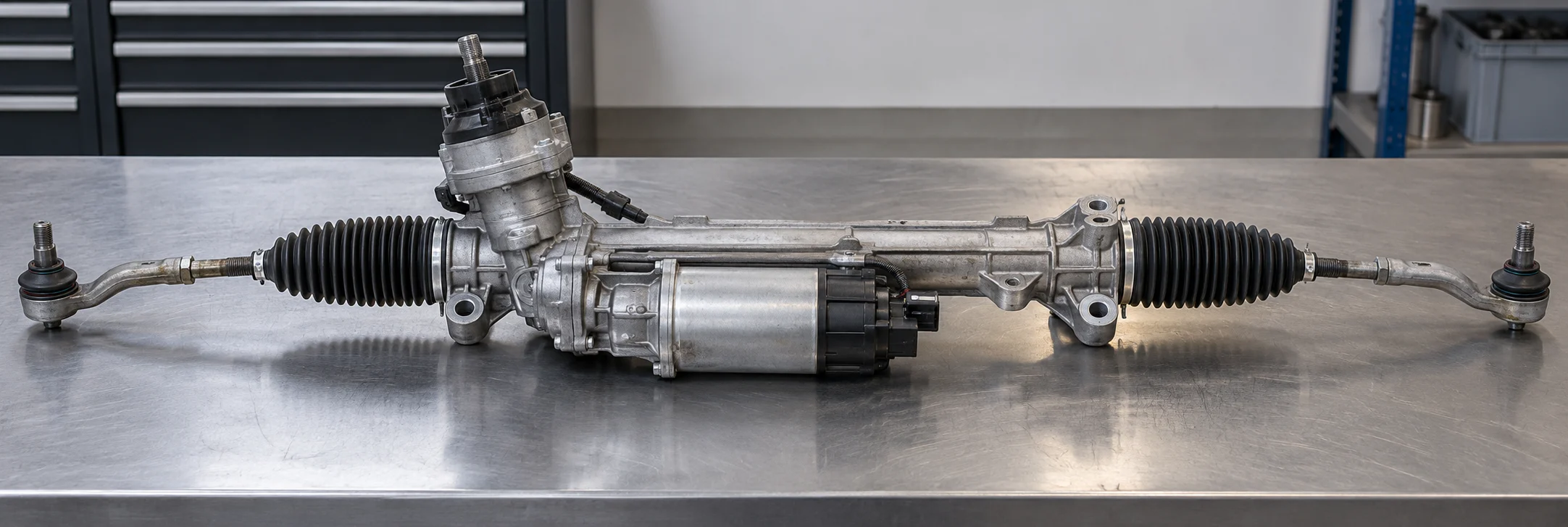
Hydraulic assistance uses fluid pressure. Electric power steering, also called EPS, uses an electric motor for assistance. Rear-axle steering is an additional chassis function, not an alternative to front steering. The fitted equipment determines the tests and parts. Model names alone are not enough to order a rack.
When the rear wheels steer too
On cars with rear axle steering, the rear wheels turn a few degrees. At lower speeds they turn opposite to the front wheels to tighten the turning circle. At higher speeds they turn the same way for stability. The operating speeds and angles depend on the model and system. There is no single changeover speed for every Porsche.
A fault in this system can show as a warning message, a car that feels nervous at speed, or a turning circle that feels wider than normal. Testing covers fault memory, actuator values, wiring and the alignment of both axles. A warning does not by itself prove an actuator has failed. Relevant software guidance must also be checked.
Porsche’s 911 chassis explanation describes model-specific rear-steering behavior. A 2025 Porsche technical bulletin also illustrates why some rear-steering complaints need a software remedy, not an automatic parts replacement. Its application is limited to the vehicles and faults listed.
Low speedRear wheels opposite, tighter turns
Higher speedRear wheels same way, calmer lane changes
Eight checks before a steering part is ordered
A noise or warning can come from several places. The checks are selected for your symptom and fitted system. Static safety checks come before any road test. A fault code identifies an area to investigate, not automatically a component to replace.
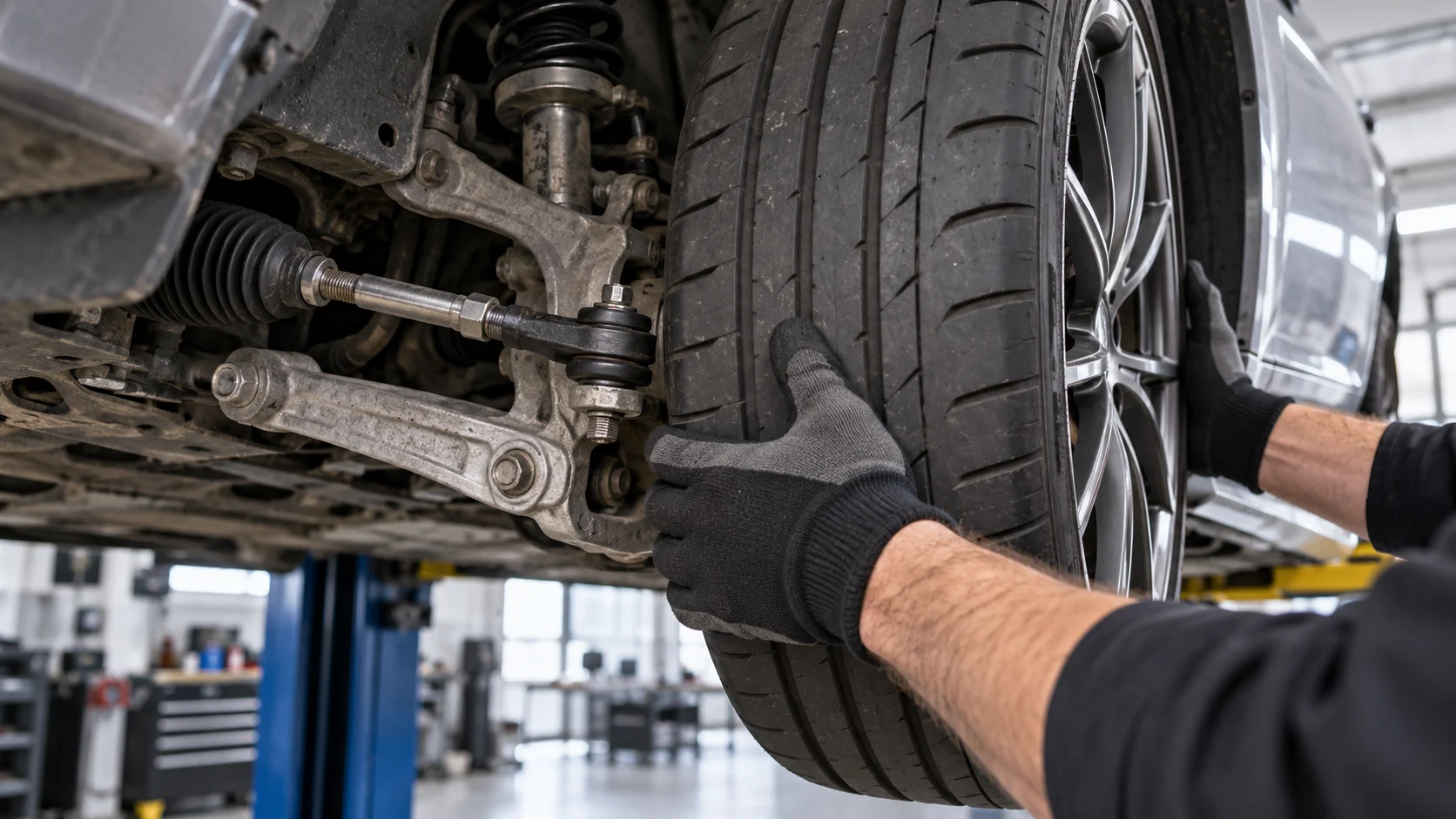
The findings from each check in plain words, photos of worn or leaking parts, and the readings that support the repair. If the steering is fine and the cause is a tyre or suspension part, we tell you that instead.
Intermittent faults may need additional testing. Agree any further diagnostic time before it is used. Ask for the scan findings, measurements and a written repair recommendation, including anything that remains unresolved.
Common steering repairs and what follows them
Many steering repairs change the geometry of the car or the data the system relies on. Related checks are shown beside each repair. The exact workshop procedure determines which alignment, fluid and calibration operations are required.
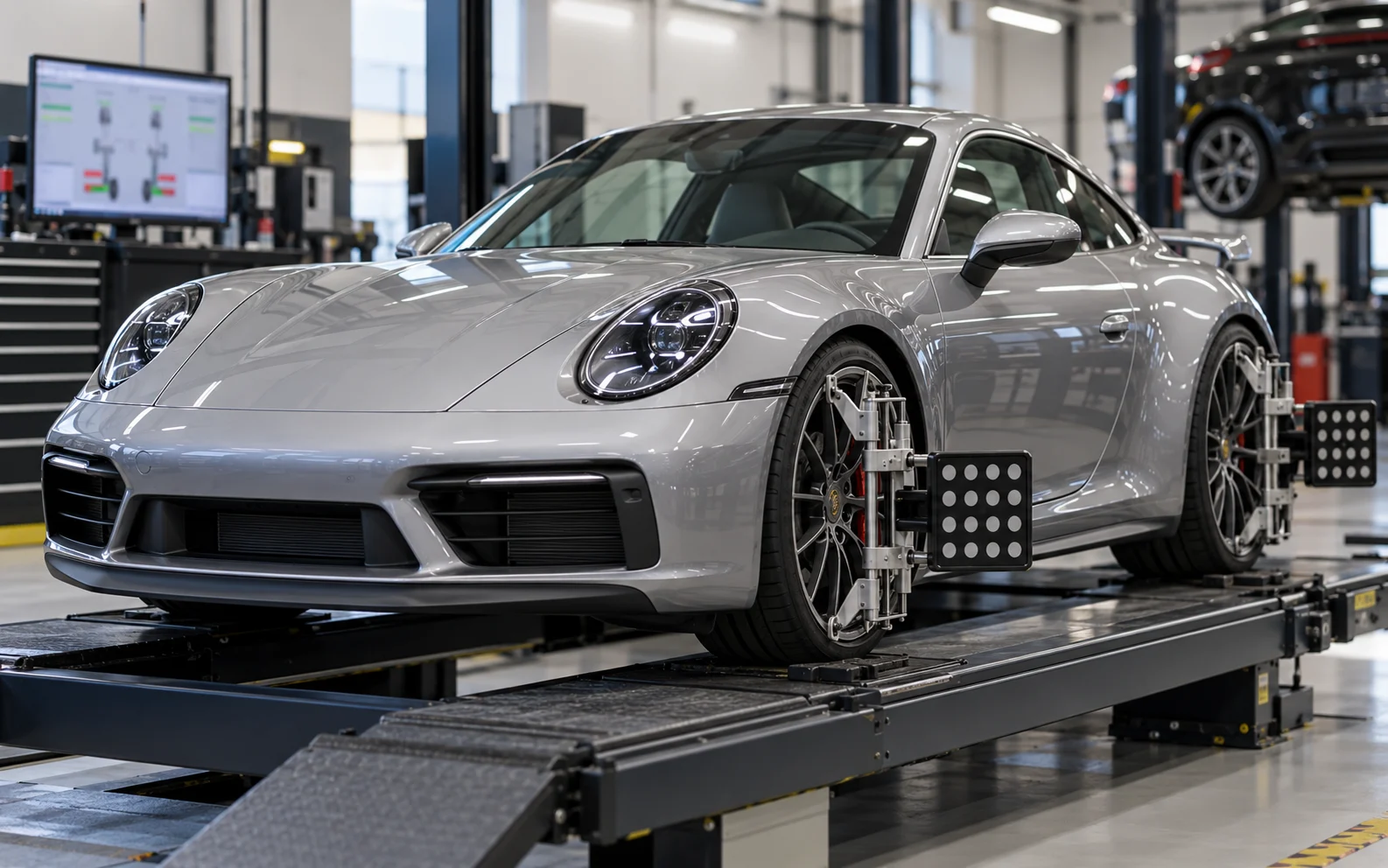
Alignment and required calibration finish the job
Replacing a tie rod or rack changes the toe angle. Without an alignment, a new part can still leave the car pulling and wear the tyres quickly. On many cars the steering angle sensor then needs calibrating, because stability control and driver assistance systems use its reading.
For tyre wear and pulling without a steering fault, see Porsche wheel balancing and alignment.
Repair the fault or replace the assembly
A worn joint or leaking hose does not automatically mean a new rack. The findings decide whether a focused repair, rebuild or replacement makes sense.
Compare the complete job
Include fluid, fasteners, fitting and required setup. A cheaper loose part can cost more if removal and installation must be repeated.
Allow for repair time
A straightforward joint repair may fit into one day once parts arrive. Rebuilding, electronic diagnosis or seized hardware can take longer. The workshop confirms the collection estimate.
Get warranty terms in writing
Check parts and labor coverage, limits, exclusions and who handles a claim. Coverage depends on the repair and unit supplied.
Three different steering repair budgets
These illustrative totals include a 5 percent VAT allowance and the work stated. They explain how a quote can be built, not completed customer jobs or guaranteed prices. The actual fault, parts availability and written estimate decide your total.
2010 911 hydraulic hose repair
AED 1,400
Example allowance for diagnosis, one accessible new hydraulic hose, fitting, specified fluid and bleeding, followed by a leak check. Assumes the pump and rack remain serviceable. Internal rack repair, recovery and other leaking hoses are excluded.
2013 911 outer tie rod replacement
AED 2,100
Example allowance for a confirmed worn joint, one compatible new outer tie rod and hardware, fitting, four-wheel alignment and final checks. Additional worn joints, damaged wheels and seized adjustments are excluded.
2013 911 replacement electric rack
AED 8,500
Example allowance for an available compatible remanufactured assembly, removal and fitting, required setup, alignment and final scan. Depends on unit compatibility and repair findings. A new genuine rack, extra wiring damage and any exchange deposit are priced separately.
Porsche steering repair questions
Can I drive with heavy steering or a steering warning?
Follow the exact dashboard instruction and owner’s manual. Stop safely if steering suddenly becomes heavy, binds, has excessive play or cannot be controlled predictably. Do not assume a yellow warning is safe to ignore. Call to discuss the symptom and recovery if needed.
What should a Porsche steering repair quote include?
It should identify the diagnosed fault, named parts and their condition, labor, VAT and required finishing work. Hydraulic work may need specified fluid and bleeding. Rack or tie-rod work may need alignment, while electronic systems can require coding or calibration. Our price guide separates diagnosis from repair estimates.
Does electric steering need a fluid top-up?
Fully electromechanical power assistance does not use hydraulic steering fluid. Hydraulic and electrohydraulic systems do. We identify the fitted system before recommending any fluid service. Low hydraulic fluid needs a leak assessment, not repeated top-ups or an assumed universal flush interval.
Does a knock or pull mean I need a new steering rack?
No. A knock can come from joints, mounts, the column or nearby suspension. Pulling can involve tire condition, wheel alignment, brake drag or impact damage. Inspection distinguishes these causes before a rack is proposed. A new or strong pull should not be dismissed as ordinary road camber.
Can clearing a fault code fix the steering?
Clearing a code does not repair its cause. Supply voltage, wiring, sensor readings and relevant software information may need checking. A successful repair is verified with the appropriate setup, post-repair checks and a safe test. Restricted manufacturer programming or campaigns may require a Porsche Centre.
How do I arrange an inspection?
Call or WhatsApp with your model and a short description of the steering concern. That is enough to start. Year, warning photos, previous findings and the VIN can be requested later if useful. Confirm the appointment and assessment fee before travelling. Photograph or record a symptom only while safely parked.
Is leather steering-wheel restoration included?
No. Worn leather and stitching are interior restoration work, separate from steering assistance, joints and racks. Use the upholstery link below for a worn wheel covering. Horn, airbag and multifunction-button faults are electrical or safety-system concerns and should be assessed separately.
Worn leather on the steering wheel is an interior job
Cracked leather, loose stitching or a worn wheel covering needs upholstery assessment. Retrimming the rim will not correct heavy steering, joint play or an assistance warning. Choose the interior service for cosmetic restoration.
Find the cause before you replace the rack
Tell us what the steering is doing. We assess the fitted system, explain the findings and quote the repair with any required alignment or calibration before you approve. Start with your model and symptom.
- Focused steering assessment
- Findings explained
- Alignment on the quote
An enquiry is not a booking. The appointment is confirmed with you directly. Porsche Repair Dubai is an independent workshop and is not part of the Porsche Centre dealer network.