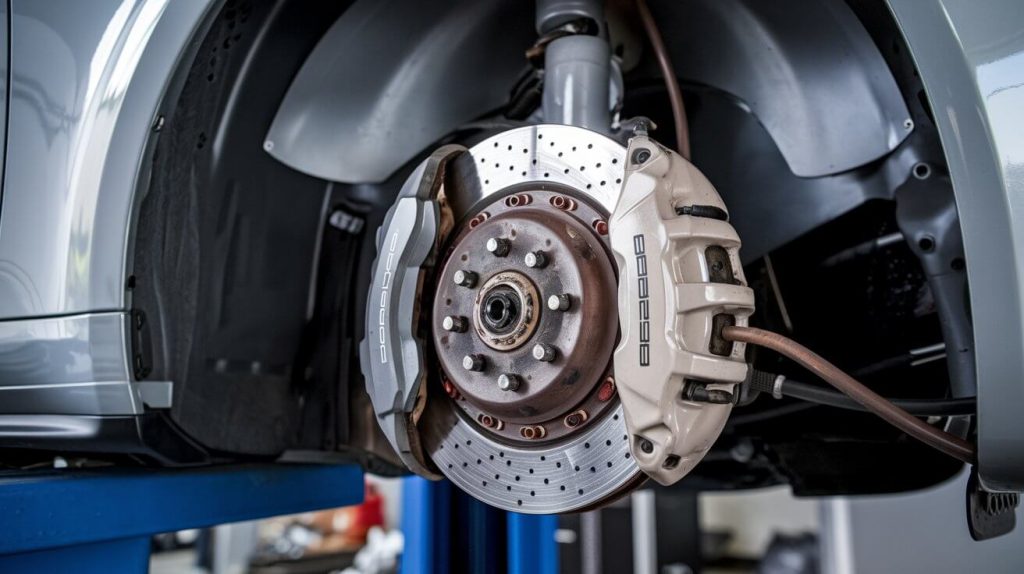

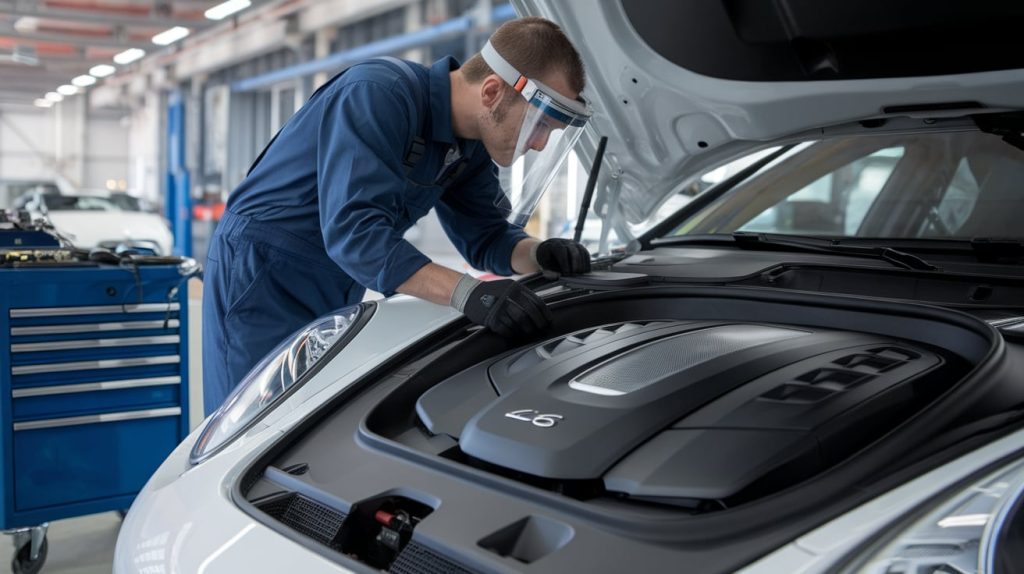
You’ve spent a fortune on your Porsche because you know it’s more than just a car, it’s a performance machine, a piece of art that’s supposed to last for years. But then, out of nowhere, you start noticing small issues, and your engine doesn’t feel quite right. Don’t panic, you’re not alone. Like any high-performance vehicle, engine repair comes with its own set of challenges. It’s a bit of a mystery to some, but not anymore. In this blog, I’m going to dive into the common problems your Porsche engine might face, and how you can keep things running smoothly for years to come.
It doesn’t matter if you’re cruising through the streets of Dubai or just enjoying a weekend drive, keeping your engine repair needs to a minimum is all about knowing when to act. From routine maintenance to spotting early signs of bigger issues, this guide is all about ensuring your engine stays in peak condition. Ready to get your Porsche running like new again? Let’s dig in!
Recognizing Common Porsche Engine Problems | Early Detection Saves Money
We all know that dealing with engine repair isn’t something you want to do often, but let’s be real, problems can pop up. The trick is to catch them early, before they become expensive headaches. The longer you wait, the worse it gets. So, what are the common issues you should look out for, and how can you prevent them from taking a toll on your Porsche’s performance? Let’s break it down and see how early intervention can save you from bigger repair costs in the future.
1.1 Oil Leaks | It’s More Common Than You Think
Oil leaks in your Porsche engine might seem small at first, but trust me, they can snowball into huge issues if not handled early. So, what’s the deal with oil leaks? It’s all about keeping the engine lubricated and running smoothly. Without oil, the engine parts grind together and cause more wear and tear. That’s a recipe for engine failure, and nobody wants that, especially in a high-performance machine like a Porsche.
- Signs of Oil Leaks:
- Low Oil Levels: If you’re constantly topping up, something’s wrong. Low oil levels can be a warning sign that something is leaking or burning off.
- Engine Overheating: Without enough oil, your Porsche engine will overheat quickly, causing permanent damage to the internal components.
- Burnt Oil Smell: A burnt oil smell means your Porsche engine is running dry, and that’s not just bad for the engine but also dangerous.
- Solution:
- Regularly check your engine for leaks, especially around seals, gaskets, and oil pan bolts.
- If you spot any leaks, replace those seals or gaskets immediately to avoid worsening the issue.
Even small oil leaks in your Porsche engine might seem harmless, but in a high-performance engine like Porsche’s, even a little leak can turn into a major repair issue. Catch it early, save money, and keep your engine running smooth.
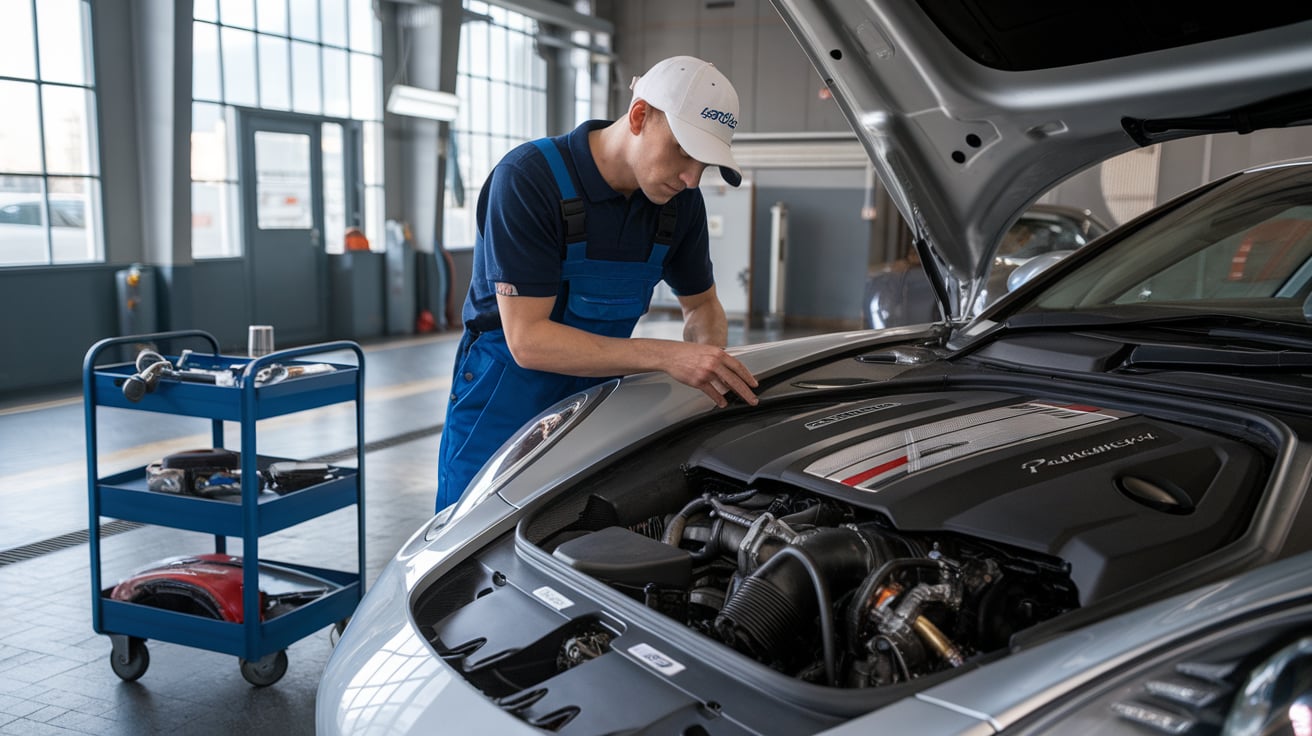
1.2 Cooling System Failures | Don’t Let Overheating Kill Your Engine
Living in a place like Dubai, we all know how brutal the heat can get. Imagine your Porsche engine having to survive that heat without a proper cooling system. Overheating isn’t just an inconvenience; it can cause severe engine damage. So, what do you need to watch out for to avoid the dreaded overheating and keep your Porsche engine in top condition?
- Signs of Cooling System Problems:
- Rising Temperature Gauge: If it’s climbing into the red zone, you’ve got a problem. A high-temperature gauge means your engine is overheating, and it’s time to take action.
- Coolant Leaks: If you notice fluid puddles under your Porsche, it’s a sign that the cooling system might be leaking. You’ll want to get that checked immediately.
- Strange Engine Noises: Gurgling or whistling sounds coming from the engine could indicate that air is trapped in the cooling system or there’s a blockage.
- Solution:
- Flush the coolant system every 40,000 km to keep it clean and ensure optimal performance.
- Replace the radiator, thermostat, or water pump if they show signs of damage or wear. Don’t wait until the system fails completely.
A solid cooling system means your engine repair needs are kept to a minimum. Don’t let overheating stop you in your tracks; stay proactive with cooling system checks and avoid serious damage.
1.3 Timing Chain Issues | Hear a Rattle? Time for a Check-Up
Timing chains in your Porsche engine are like the gears of a clock—they keep everything in sync. But, like all parts, they wear out over time. The big problem is when they fail, and you don’t catch it in time. You’re looking at a costly repair, or worse, engine failure.
- Signs of Timing Chain Problems:
- Engine Misfires: Timing chain issues mess with your engine’s rhythm, causing misfires that affect performance and fuel efficiency.
- Rattling Noises: If you hear any weird rattling or knocking sounds coming from the engine, that’s a big red flag that your timing chain is worn out and needs replacing.
- Poor Acceleration: A worn-out timing chain can slow your car down, reducing your car’s acceleration and overall performance.
- Solution:
- Keep an ear out for strange noises coming from the engine, especially rattling or knocking sounds that could indicate timing chain issues.
- Replace the timing chain every 120,000–150,000 km, depending on the model and driving conditions.
Don’t wait for that rattling sound to get worse. Address it early with a timing chain replacement to avoid costly engine repair and keep your engine in top shape.
When it comes to engine repair, catching issues early is key to preventing costly repairs down the line. Oil leaks, overheating, and timing chain problems might seem small at first, but they can lead to major engine damage if left unchecked. By staying proactive with regular maintenance and keeping an eye out for early warning signs, you can save yourself from serious repair costs and ensure your Porsche engine runs at its best for years to come. Keep an ear out for strange noises, check your oil levels, and don’t ignore small leaks. A little attention now can save you a lot in the long run.
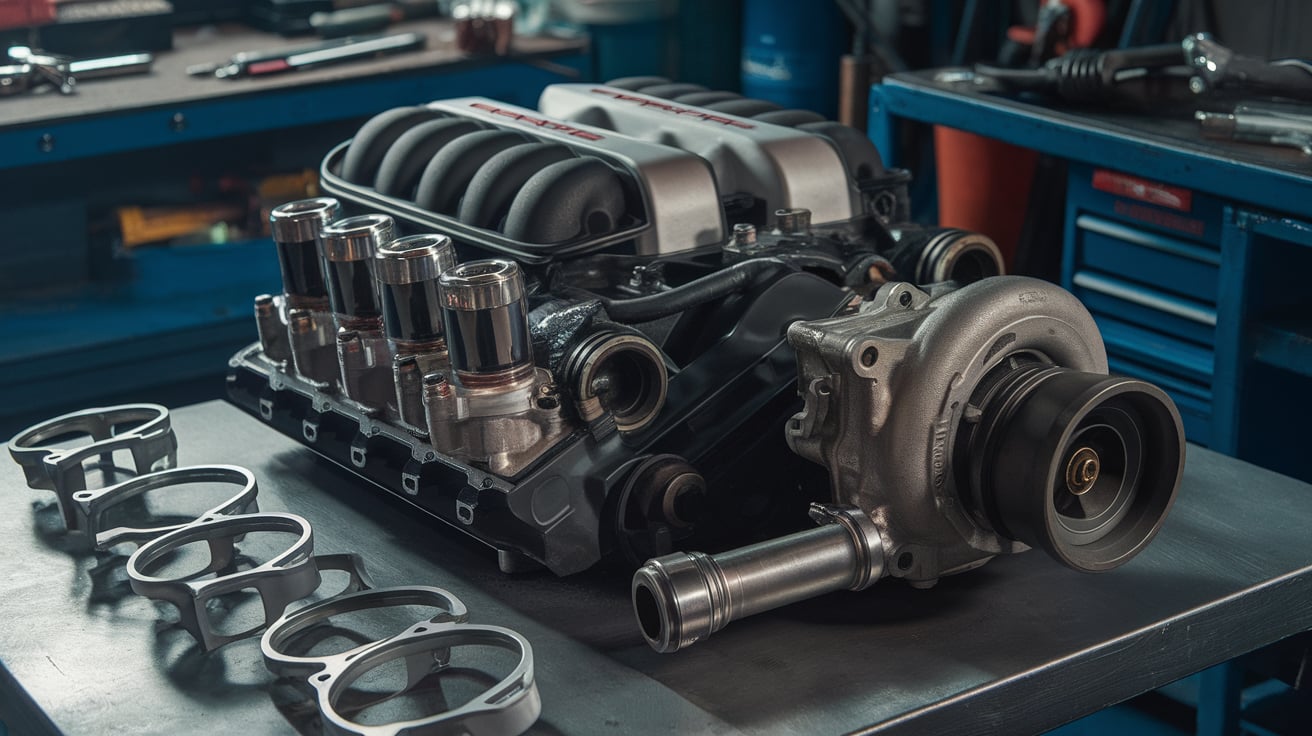
Essential Porsche Engine Maintenance Tips | Keep Your Engine Running Like New
Alright, now that we’ve covered the common issues, let’s talk about how to prevent engine repair needs altogether. Regular maintenance is the name of the game. You don’t need to be a mechanic to keep your Porsche engine healthy; you just need to know the basics. Taking care of your engine doesn’t have to be a hassle if you stay on top of the little things. In fact, staying proactive can save you from expensive repairs down the road. Let’s dive into the essential tips that will help keep your Porsche engine running like new.
2.1 Regular Oil Changes | The Lifeblood of Your Porsche Engine
Oil is the lifeblood of your Porsche engine, without it, the engine will grind to a halt. Regular oil changes are one of the easiest ways to avoid costly engine repair and keep your ride running smoothly. You might not think about oil much when you’re on the road, but trust me, your engine depends on it. Clean, fresh oil keeps everything lubricated and running smoothly, reducing friction and preventing wear.
- How Often?:
- Every 7,500 to 10,000 km, depending on your driving conditions. If you’re driving in extreme heat or stop-and-go traffic, you might need to change it more often.
- Why It Matters:
- Clean oil reduces friction, prevents rust, and keeps your Porsche engine running smoothly. When you have fresh oil, the engine parts are protected, allowing them to work efficiently.
- Ignoring oil changes can lead to engine damage and costly repairs. Over time, old oil loses its ability to lubricate effectively, which leads to unnecessary wear on engine components.
Stay on top of those oil changes and make sure you use high-quality oil suited for your Porsche engine. Preventive care now saves you money later, and engine repair needs will be kept to a minimum.
2.2 Air Filter Replacement | Keep the Air Flowing
The air filter in your Porsche engine is like the lungs of your car, it lets the engine breathe. A dirty or clogged air filter means less airflow to the engine, making it work harder. When the engine has to work harder, performance suffers, and the wear and tear increase, leading to a higher likelihood of needing engine repair in the future. Keeping your air filter clean is an easy and cost-effective way to maintain your engine’s health.
- When to Replace?:
- Every 15,000 to 30,000 km, depending on your driving conditions. If you’re in dusty areas or drive off-road, you might need to replace it more often.
- Why It’s Important:
- A clean air filter ensures optimal fuel efficiency and engine performance. The cleaner the air, the better your engine performs.
- Dirty filters reduce acceleration and overall engine life. They cause the engine to work harder, which leads to quicker wear and performance issues.
Keep that air filter fresh, and you’ll notice better performance, smoother drives, and fewer engine repair issues down the road. This small change can keep your engine repair needs low and your car running at its best.
2.3 Coolant System Maintenance | Keep It Cool, Literally
We’ve all felt that sweltering heat in Dubai, and guess what? So has your Porsche engine. A reliable cooling system is vital to prevent your engine from overheating. Without proper cooling, the engine can get too hot and suffer serious damage. Regular coolant system flushes keep things running at the perfect temperature, even when the weather is pushing it. This is one of the most critical aspects of engine repair prevention.
- How Often?:
- Flush the system every 40,000 km to keep the engine cool and working optimally.
- Why It’s Essential:
- Prevents engine overheating and rust build-up in the system. Overheating can cause the engine to seize, leading to catastrophic damage and expensive repairs.
- Ensures your engine stays cool, no matter how hot the weather gets. A healthy cooling system helps maintain optimal engine performance, even during extreme temperatures.
Don’t let your Porsche engine overheat and suffer damage. Stay on top of coolant system maintenance, and you’ll avoid those costly engine repair bills.
When it comes to engine repair, a little effort goes a long way. Regular maintenance and catching issues early on will keep your engine running smoothly and save you from expensive repairs. It’s easy to overlook these small tasks, but believe me, the time you spend on regular checks and oil changes will pay off in the long run. Don’t wait for your car to break down, be proactive and take care of your Porsche engine. Trust me, the time you spend now will pay off with years of performance, reliability, and that perfect Porsche driving experience.
FAQs | Addressing Common Porsche Engine Repair Questions
1. How often should I change my Porsche’s oil?
Regular oil changes are crucial to keeping your engine repair needs at bay. Oil is the lifeblood of your engine, and it keeps all the moving parts lubricated to prevent friction and excessive wear. Without fresh oil, your engine can overheat and wear out prematurely, leading to expensive repairs down the road. It’s recommended to change the oil every 7,500 to 10,000 km or as per the manufacturer’s guidelines.
- Why It Matters:
- Clean oil helps maintain engine efficiency and performance.
- Regular oil changes prevent sludge buildup, which can cause engine parts to seize and lead to costly repairs.
Changing your Porsche engine’s oil regularly will help avoid breakdowns and keep your car running smoothly for years. Don’t put it off, oil changes are one of the most basic, yet crucial parts of engine care.
2. What are the signs of an overheating engine in my Porsche?
Overheating is a major cause of engine repair and can result in severe engine damage if not addressed immediately. Some common signs to watch out for include:
- Rising Temperature Gauges:
- If your temperature gauge moves into the red zone, it’s a clear indication that your Porsche engine is overheating.
- Coolant Leaks:
- Leaking coolant underneath the car is a sign that your cooling system is compromised. If you notice coolant puddles, it’s time to investigate.
- Strange Engine Noises:
- Gurgling or bubbling sounds coming from the engine could indicate air in the cooling system, which might lead to overheating.
Catching these signs early is key to preventing costly engine repair bills. Overheating can lead to warped cylinders, blown head gaskets, and even engine failure, so don’t ignore the warning signs.
3. Can I perform basic engine repairs myself?
While some engine repair tasks are fine for DIYers, there are others that require professional attention. Here’s what you can do yourself:
- Air Filter Replacement:
- Replacing the air filter is a quick, simple task that you can do to ensure your Porsche engine gets the proper airflow it needs.
- Spark Plug Checks:
- Checking and replacing spark plugs is a DIY task that ensures your engine is firing properly and running efficiently.
- Wiper Blade Replacement:
- While not directly related to engine performance, changing wiper blades is an easy task that enhances your driving experience.
For more complex issues like timing chain problems, engine overheating, or electrical issues, it’s best to leave it to the professionals. Trying to fix these without the proper tools or knowledge can lead to more damage and higher repair costs down the road.
4. How often should I flush the coolant system?
Flushing your Porsche engine’s coolant system regularly is essential to prevent overheating and ensure the longevity of your engine. The cooling system works to regulate your engine’s temperature, and if it’s not flushed periodically, rust and debris can build up, causing blockages that affect its performance.
- How Often?
- You should flush the coolant system every 40,000 km or as per your Porsche’s manual.
- Why It’s Important:
- Regular coolant flushes remove debris and rust from the system, preventing overheating.
- A clean system allows for proper coolant circulation, ensuring the engine stays at the right temperature, even in extreme heat.
Neglecting this task can result in engine repair issues like radiator failure, overheating, or even engine seizure. Keep your cooling system clean, and you’ll avoid costly repairs in the future.
5. How do I prevent carbon buildup in my Porsche engine?
Carbon buildup is one of those pesky problems that can affect engine repair needs if left unchecked. It happens when carbon deposits form on the intake valves, reducing airflow to the engine and impacting performance. But don’t worry, there are ways to prevent it.
- Regular Maintenance:
- Regular oil changes and spark plug inspections can prevent carbon buildup. Keeping your engine running smoothly with fresh oil and properly maintained components is key to avoiding this issue.
- Using High-Quality Fuel:
- High-quality, premium fuel contains detergents that help keep the engine clean and reduce carbon buildup. Using cheap, low-quality fuel can speed up the buildup process.
- Carbon Cleaning:
- Periodic carbon cleaning, especially for direct fuel-injection engines, can help keep carbon deposits from accumulating and impacting engine performance.
By staying on top of regular maintenance and using high-quality fuel, you can prevent carbon buildup and keep your Porsche engine running smoothly without facing costly repairs. If you notice rough idling or poor acceleration, it might be time to get the intake valves cleaned.